The Post Analysis tool allows us to examine the results of a previously executed simulation (steady or unsteady; just flow or flow and transport, etc.) without having to re-run the model. This is especially useful for simulations that take a long time to run.
To access the Post Analysis tool, go to Analysis Tools, then Analysis, then Post Analysis (Figure 84). A warning window prompt will appear; click OK. You now see a window that provides an option as to the model results you wish to use. We will choose Current or Last Model (see Figure 85) to examine the transient model from Section 8. Click APPLY and a warning window regarding clearing the current model comes up and you click OK.
The window you see in Figure 86 appears and you will find that if you click the chevron next to View Result at Time Stamp it will reveal where it is now possible to select from the drop down menu the simulated results for the time step of interest. After clicking APPLY you will be greeted by a warning (if you select other than the last time step). Now Figure 87 will appear. If we select another time-step, again click APPLY and wait, we will see updated results in the map display (Figure 88).
The Post Analysis tool can also be used to: 1) save the water table for a particular time-step; 2) save the water table along a cross-section for one or more time-steps; 3) compare the transient model results to temporal static water level data (calibration); or 4) extract head and/or concentration time-series results from a monitoring well.
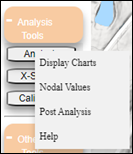
Figure 84: Accessing the Post Analysis tool.
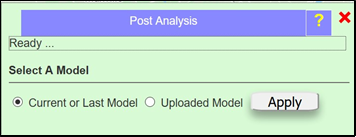
Figure 85: Selection of model results for presentation of transient results.
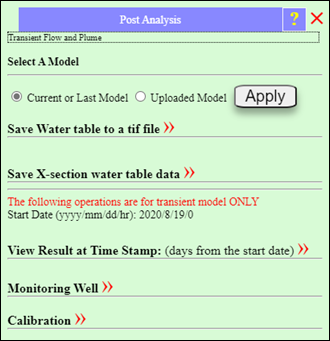
Figure 86: First step in selecting data to be plotted. Click on the chevrons to expose more options.
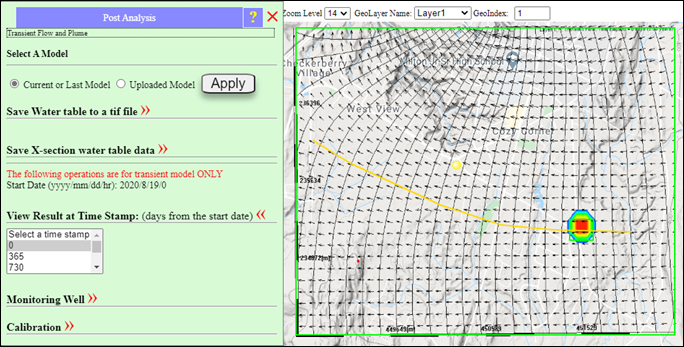
Figure 87: Plan-view results of transient simulation at time t=0 days
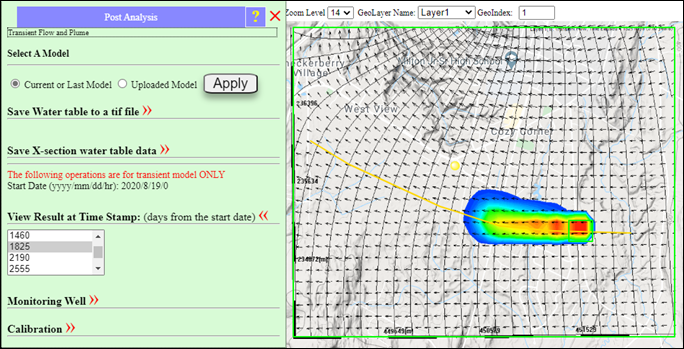
Figure 88: Plan-view results of transient simulation at time t=1825 days (5 years).