Active Learning · Groundwater · IGW-NET
Concept Lessons.
The foundational physics, one idea at a time — flow, pumping, contamination, remediation, and surface-water exchange. Groundwater is the hardest water science to teach because the system is invisible; these lessons make it visible. Pose a question, run the model, and watch the aquifer answer.
 0 clips
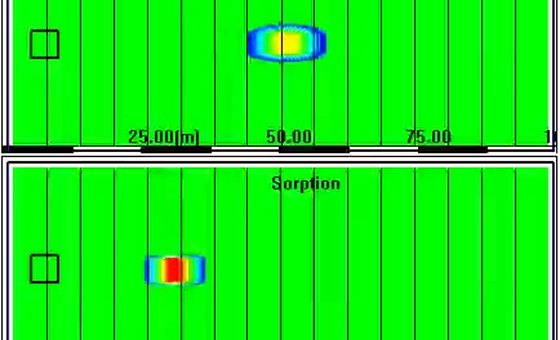
Transport Processes
The four engines of contaminant fate — advection, dispersion, sorption, and decay — isolated one at a time.
Open lesson →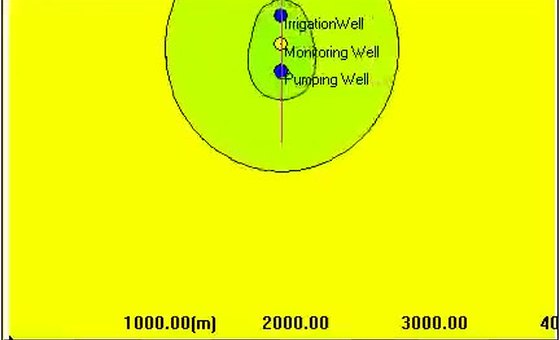 0 clips
Aquifer Response To Pumping
Cones of depression, well interference, and how transmissivity and storage shape an aquifer’s response to pumping.
Open lesson →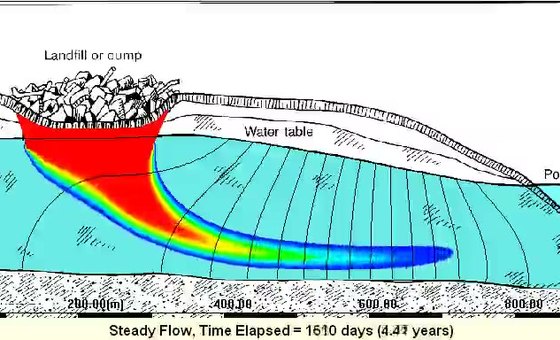 0 clips
Groundwater Contamination
How plumes form, spread, and reach wells — sources, pathways, and the journey from spill to receptor.
Open lesson →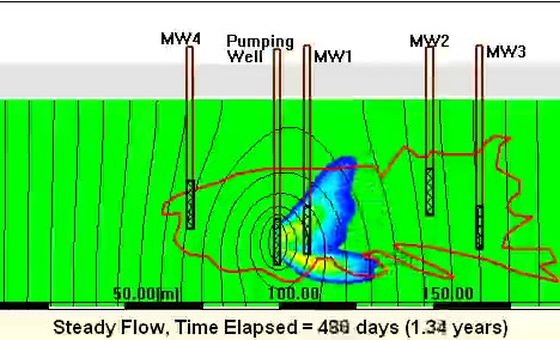 0 clips
Groundwater Remediation
Pump-and-treat, capture zones, and reactive barriers — and why heterogeneity makes cleanup slow.
Open lesson →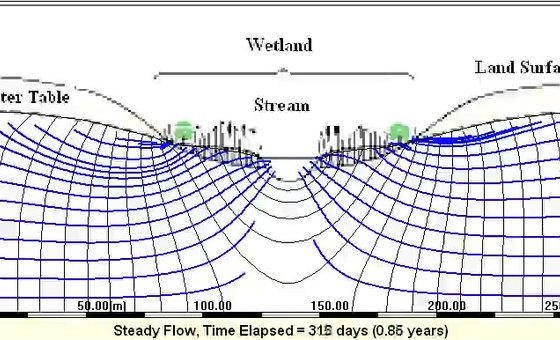 0 clips
Connection With Surface Water
Streams, lakes, and aquifers as one system — gaining and losing reaches and the exchange between them.
Open lesson →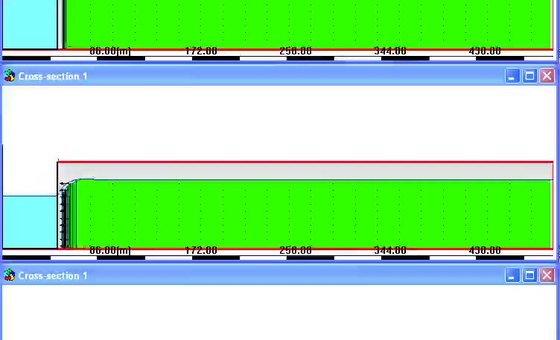 0 clips
Stream Aquifer Interaction
How conductivity, storage, and stream penetration control the exchange between a stream and its aquifer.
Open lesson →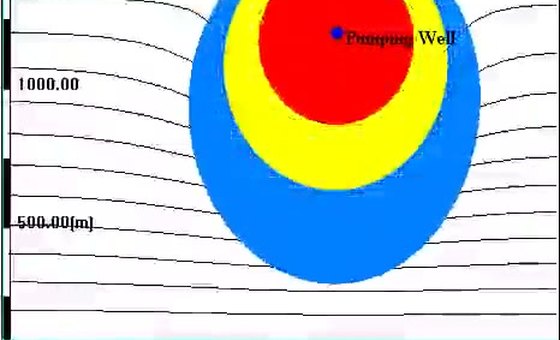 0 clips
Wellhead Delineation
Capture zones and time-of-travel — delineating the land area that drains to a drinking-water well.
Open lesson →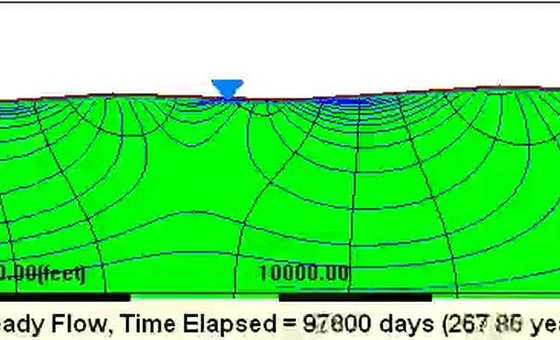 0 clips
Regional Vertical Circulation
Topography-driven flow — local, intermediate, and regional cells, recharge and discharge zones, stagnation points.
Open lesson →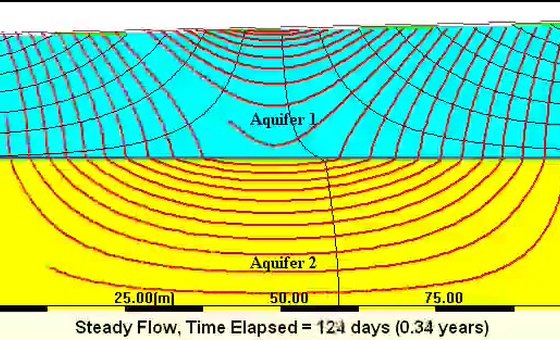 0 clips
Law Of Refraction
Flow bends at conductivity contrasts — the tangent law, and why water runs along high-K layers and across confining beds.
Open lesson →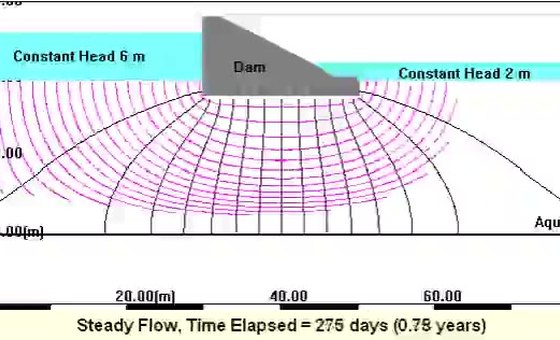 0 clips
Seepage Under Dams
Flow nets, uplift, exit gradients, and piping — and how sheet piles control seepage beneath a dam.
Open lesson →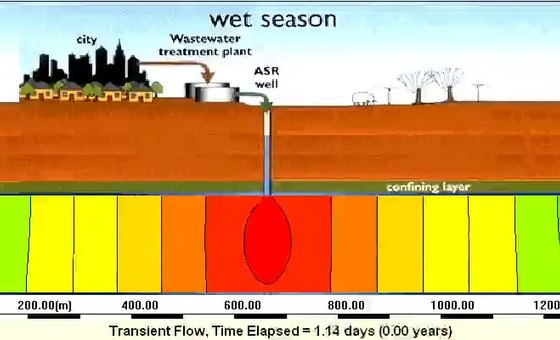 0 clips
Artificial Recharge
Banking water underground — injection, storage, and recovery, and what controls recovery efficiency.
Open lesson →From watching to doing.
Every lesson here runs on the live engine. Open IGW-NET and build the model yourself — free, in the browser, nothing to install.